

Dark Web Data Parsing Overview
This article focuses on dark web data parsing for operational security teams, SOCs, and CTI analysts. It covers practical ETL steps, Python tooling, and export workflows to convert forum and market dumps into structured threat intelligence, while preserving chain of custody and legal safety.

We assume defenders will ingest raw dumps, parse text and artifacts, deduplicate and normalize indicators, enrich context, and output to MISP or STIX for downstream use. The emphasis is on reproducible, auditable pipelines and safe handling of potentially illicit material.
Legal and Safety Considerations
Before ingesting any dark web dump, validate legal authority, organizational policy, and regional laws. Preserve minimal data needed for intelligence, redact personal data where possible, and route sensitive material through approved evidence-handling channels.
Operational safety includes isolating ingestion environments, using air-gapped or containerized tooling, logging actions for chain of custody, and avoiding interaction with live threat actors. Document consent, acquisition timestamps, and data provenance.
Data Sourcing and Ingestion
Sources include forum scrapes, market dumps, paste archives, and leak repositories. Each source has different encodings and noise, for example JSON exports, HTML blobs, raw SQL dumps, or PGP-encrypted payloads. Plan ingestion to tag source metadata and capture capture-time snapshots.
Typical ingestion steps include validating checksums, storing raw artifacts in immutable archives, creating source manifests, and extracting text and attachments to a staging area. Use metadata fields such as source_url, capture_time, and collector_id to support traceability.
Parsing and Extraction Techniques
Parsing often combines regex extraction, HTML parsing, and language detection. Use robust libraries like lxml or BeautifulSoup for markup, and Python regex plus heuristics for credentials, IPs, domains, and bitcoin addresses. Tokenize posts to isolate signatures and quoted text.
For binary artifacts, automate hash calculation, MIME-type identification, and conditional extraction. Example workflows include extracting PGP blocks for separate handling, pulling attachments from multipart dumps, and converting legacy encodings to UTF-8 with fallback strategies.
Deduplication and Normalization
Deduplication reduces noise, using canonicalization rules for indicators and fuzzy matching for near-duplicates. Store normalized values for IPs, domains, email addresses, and file hashes. Use consistent timestamp formats and timezone normalization for all records.
Normalization improves correlation across sources. For example, map homoglyph domains to their base scripts, strip tracking parameters from URLs, and normalize Bitcoin addresses only after validation. Maintain both original and normalized fields to preserve provenance.
Enrichment and Attribution
Automated enrichment boosts signal quality, using passive DNS, certificate transparency logs, ASN lookups, and public malware repositories. Augment artifacts with risk scores and contextual links to previous sightings to help triage and prioritization.
Attribution requires careful heuristics, combining language patterns, vendor handles, PGP keys, shared infrastructure, and transaction trails. Record confidence levels and supporting evidence, avoid definitive public attribution without multi-source verification.
Exporting to MISP and STIX
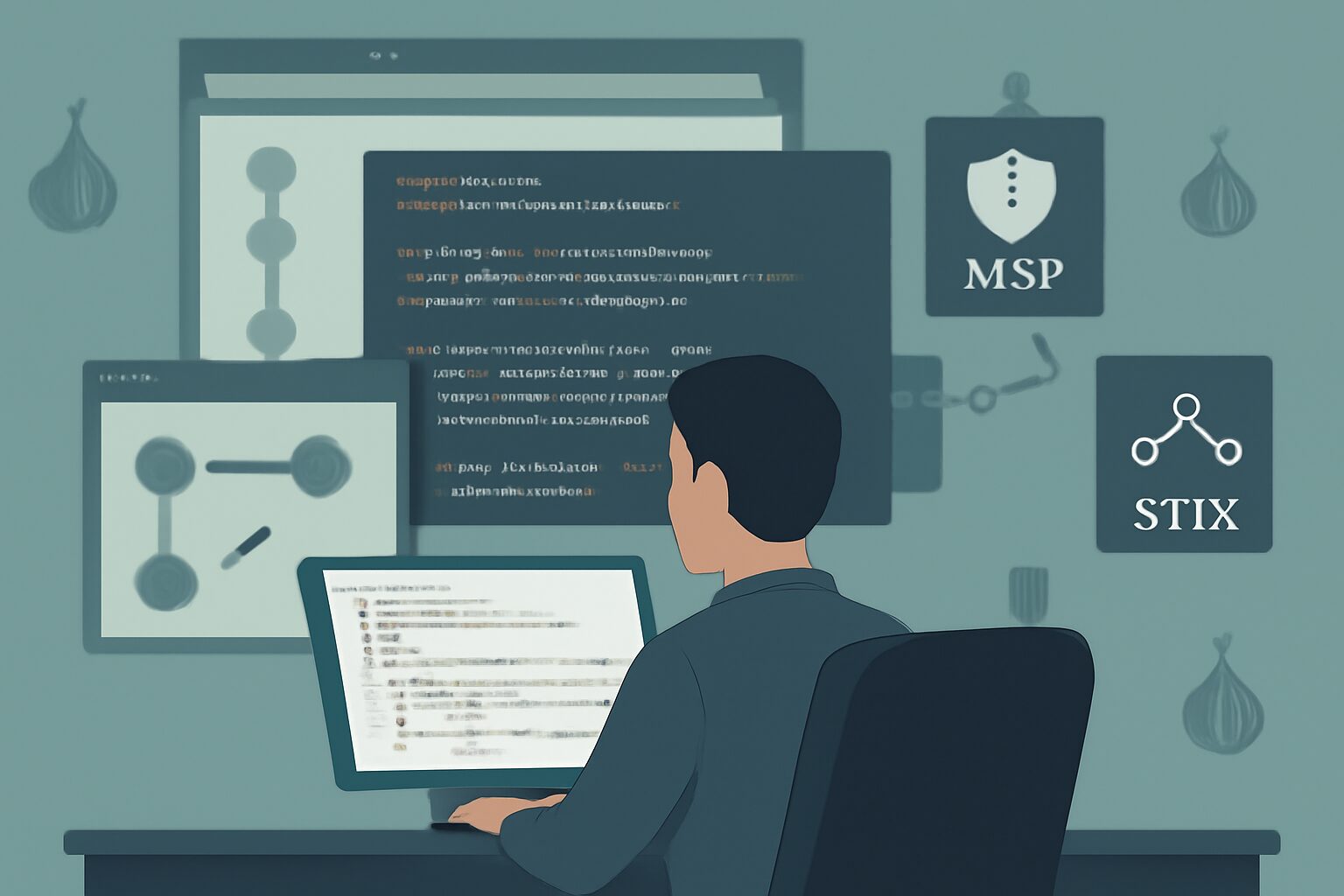
Export formats should preserve structure, provenance, and relationships. For MISP, map parsed artifacts to event attributes, include source metadata, and tag confidence and TLPT where applicable. For STIX, model indicators, observables, and relationships to campaigns or threat actors.
Use libraries like pymisp and stix2 to build exports programmatically. Create export templates that include: source_id, collection_time, collector_hash, original_payload reference, and enrichment links. Validate feeds against schema validators before sharing.
- Essential export fields: indicator value, type, source_id, confidence, timestamp, and evidence links.
- Preserve raw artifact references to enable reanalysis and chain of custody checks.
Chain of Custody and Operational Security
Forensic integrity requires immutable storage of raw dumps, cryptographic checksums, and an auditable transfer log. Assign unique identifiers to each artifact and record user actions against each processing stage in a tamper-evident log.
Operational security also includes credential hygiene for tooling, role-based access controls, and minimizing human exposure to content classified as illegal. If material must be escalated, ensure packaged evidence follows legal and organizational standards.
Tooling and Automation with Python
Python makes automation repeatable. Build modular ETL scripts with clear stages: ingest, parse, normalize, enrich, and export. Use virtual environments, dependency pinning, and containerization to ensure reproducibility across analysts and SOC environments.
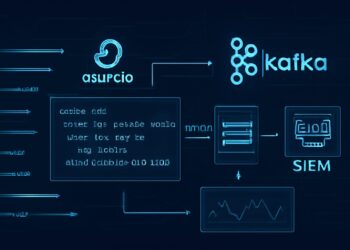
Recommended libraries include requests for downloads, lxml or BeautifulSoup for parsing, regex for extraction, pandas for tabular dedupe, pymisp for MISP integration, and stix2 for STIX generation. Log all pipeline outputs and return codes for monitoring.
- Suggested pipeline components: collector, parser, normalizer, enricher, exporter, and auditor.
- Automation tips: use idempotent steps, checkpoints, and small atomic transactions to allow safe retries.
FAQs
Can I legally store entire dark web dumps for analysis?
That depends on local laws and organizational policy. Store the minimal necessary data, obtain legal guidance, and document lawful authority. Avoid hosting clearly illegal content without explicit legal justification.
How do I avoid false positives when extracting indicators?
Combine syntactic validation with contextual enrichment, for example verify IPs against passive DNS and check domain registration. Use confidence scores and human review for high-risk actions like blocking or notifying third parties.
Which Python libraries are best for MISP and STIX integration?
pymisp is the standard choice for MISP automation, and stix2 is widely used for building STIX bundles. Both support programmatic generation and schema validation, which helps prevent malformed exports.
How should I handle PGP encrypted content found in dumps?
Treat PGP blobs as separate artifacts. Do not attempt to decrypt without legal authority. Record the blob, its metadata, and any associated keys, and route to legal or forensic teams for approved handling.
Conclusion
Dark web data parsing is a multidisciplinary workflow, combining careful legal and safety practices, resilient parsing and normalization, automated enrichment, and auditable export to intelligence platforms. For defenders, building predictable ETL pipelines reduces time to detection, improves signal fidelity, and supports consistent sharing with CTI consumers. Python provides the tools to automate each stage while preserving reproducibility through virtual environments and containerization, and libraries such as pymisp and stix2 enable safe export to common intelligence platforms.
Operational maturity comes from documenting provenance, implementing chain of custody controls, and designing idempotent, recoverable pipeline stages. Prioritize minimal data retention, strong access controls, and clear evidence packaging for any escalation to legal or law enforcement partners. With these practices, SOCs can transform noisy dark web dumps into actionable, auditable threat intelligence that supports detection, hunting, and remediation across the enterprise.