mark Alex
Overview: Darkweb insights and dark web forum profiling
This article focuses on pragmatic Darkweb insights for security teams, threat analysts, and incident responders who must profile threat actors operating on dark web forums. It walks through an operational OSINT toolchain, collection techniques, and link analysis methods to extract attribution signals without crossing legal or ethical boundaries.
The intent is defensive, operational, and technical: build reproducible evidence, measure attribution confidence, and produce intelligence that plugs into SOC workflows. Expect scripts, tooling suggestions, data normalization tips, and reporting practices suitable for enterprise workflows.
Toolchain and environment setup
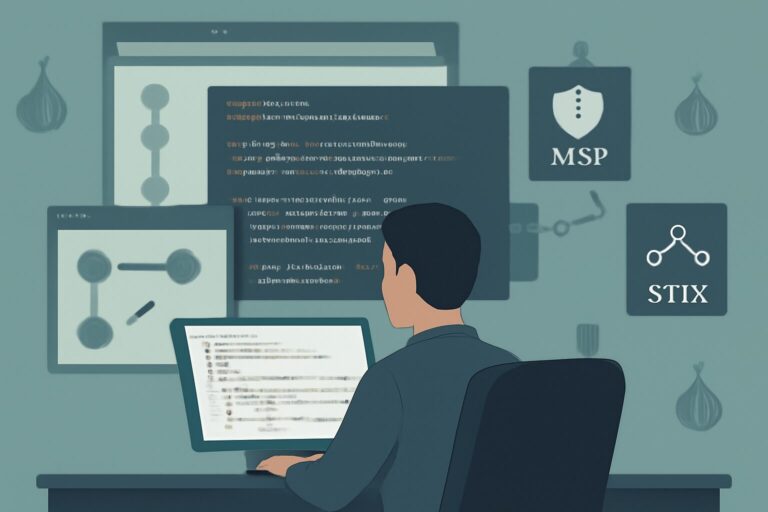
Start with an isolated analysis environment: a dedicated virtual machine, Tor as a gateway, and strict egress rules. Recommended tools include Tor Browser for manual review, OnionScan for surface mapping, SpiderFoot for automated contextual collection, and Python libraries such as requests via Tor, stem, and BeautifulSoup for custom crawlers.
Install network graphing tools for link analysis: NetworkX for programmatic graphs, Gephi for visual exploration, and Neo4j for persistent relationship databases. For image and crypto artifacts, keep exiftool, gpg, and bitcoin/address parsers available.
Target selection and reconnaissance
Define scope before collecting: list forum URLs, threads, handles, PGP keys, and payment addresses. Prioritize targets by relevance to your incident, mentions of victim data, or recurring handles linked to malicious campaigns.
Recon steps are low volume and manual first: capture landing pages, archive thread snapshots, and collect initial metadata such as creation dates, post counts, and user rank. Use Tor circuits to avoid correlating your analyst identity with the target environment.
Data collection and parsing
Automate careful crawling where manual work is impractical. Use Python with stem to route requests over Tor, respect forum rate limits, and store raw HTML for reproducibility. Normalize collected data into fields: handle, post_id, timestamp, body, quoted_handles, attachments, and embedded links.
Parse artifacts aggressively: extract embedded URLs, email addresses, crypto addresses, image hashes, and PGP key blocks. Keep originals and parsed outputs, use consistent timestamps, and annotate collection method to preserve chain of custody for incident response.
Link and alias analysis
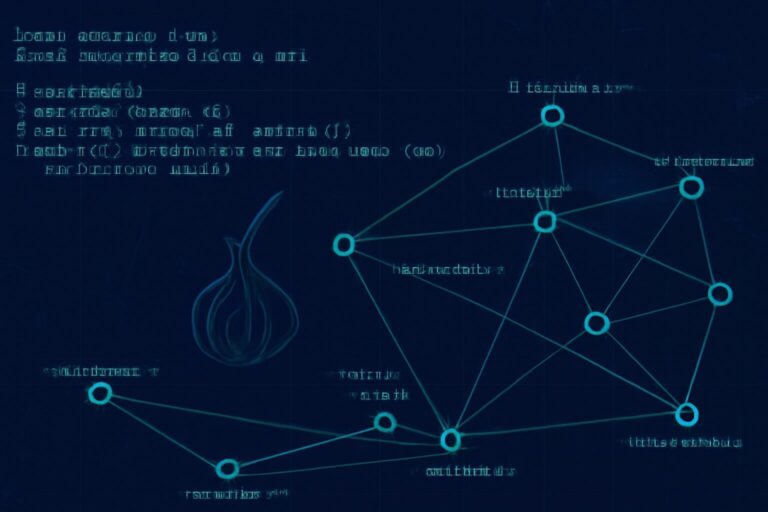
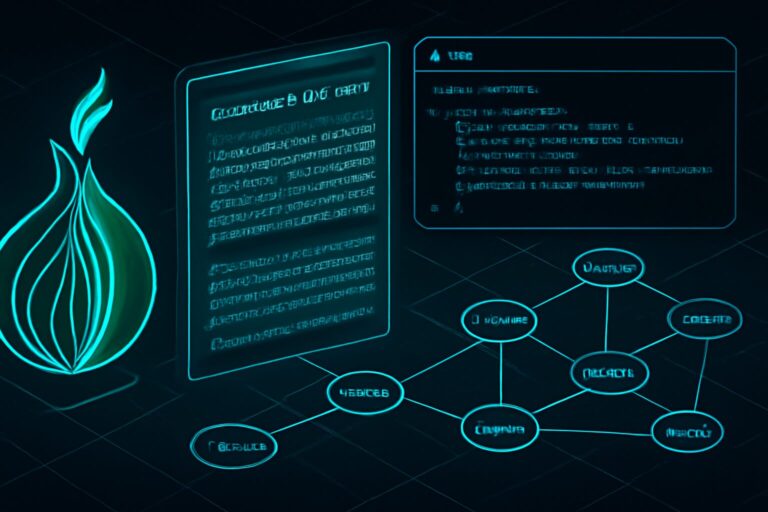
Transform parsed entities into a graph model. Nodes should represent handles, PGP keys, payment addresses, domains, and images. Edges represent interactions, co-mentions, shared uploads, or reply relationships. NetworkX is quick for prototyping, while Neo4j works for scale and complex queries.
Look for clustering and bridge nodes, these often indicate linkage between actor clusters. Useful metrics include degree centrality to find prolific handles, betweenness for connectors, and community detection for distinct actor groups. Example signals to extract include:

- Repeated co-mentions of handles across threads
- Shared PGP keys or reused payment addresses
- Image reuse via perceptual hashing
Metadata and language signals
Language patterns provide high-signal attribution clues: spelling variants, idioms, time-of-day posting windows, and punctuation habits. Tokenize posts and build ngram profiles per handle to compute similarity scores across accounts.
Metadata from attachments is also valuable: EXIF timestamps, software tags, and camera fingerprints can tie content back to environments. When EXIF is stripped, image hashes and upload sequence timing can still reveal reuse patterns across forums.
Infrastructure, network correlation and attribution scoring
Correlate forum-level observations with infrastructure telemetry. Map domains and onion services to IPs when possible, analyze WHOIS and historical DNS, and check for reused hosting or panels shared by multiple actor personas. Passive DNS and historical archives help establish persistence.
Develop an attribution scoring rubric to quantify confidence. Factors should include direct matches such as identical PGP keys, medium-confidence signals like linguistic similarity, and low-confidence signals such as timing alignment. Weight these factors, document assumptions, and produce a confidence score for each linkage.
Operational safety and OPSEC
Operational safety is mandatory: never log into forums with identifying accounts, avoid posting or interacting, and isolate collection networks. Capture evidence through passive collection and archived snapshots rather than active engagement, which risks exposure and contamination of evidence.
Protect your analysis artifacts: encrypt databases, compartmentalize raw and derived data, and ensure long term retention policies align with legal requirements. Coordinate with legal counsel before interacting with illicit services or handling sensitive victim data.
FAQs
Below are four common questions analysts have when profiling dark web forums, with concise operational answers. These address collection safety, tool choice, attribution confidence, and evidence handling.
- Q: Is it legal to crawl dark web forums for intelligence? A: Laws vary by jurisdiction, consult legal counsel before large scale automated collection. Passive browsing for defensive intelligence is commonly allowed, but do not engage or access content requiring payment or membership without authorization.
- Q: How do I avoid contaminating evidence? A: Use read only collection, preserve raw artifacts, log collection metadata, and avoid posting or interacting. Maintain a chain of custody for any items that may be used in formal investigations.
- Q: Which signals are most reliable for attribution? A: Strong signals include reused cryptographic keys, identical image hashes, and explicit claims tied to verifiable transactions. Linguistic and timing signals are supporting evidence, but should not be used alone for definitive attribution.
- Q: How should findings be reported to stakeholders? A: Produce an intelligence brief with supporting artifacts, a confidence rubric, recommended mitigations, and indicators of compromise formatted for SIEM ingestion. Include methodology so recipients can validate findings.
Conclusion
Dark web forum profiling is a technical, detail oriented process that combines disciplined collection, robust parsing, and careful link analysis to build defensible intelligence. By assembling a reproducible toolchain, analysts can convert noisy forum activity into structured signals suitable for incident response, threat hunting, and operational blocking. The reliability of any attribution depends on the quality and provenance of collected artifacts, the diversity of correlated signals, and a transparent scoring rubric that communicates uncertainty to stakeholders.
Operational best practices include isolating collection environments, preserving raw evidence, and prioritizing non interactive methods. Use graph models to surface relationships, apply linguistic and metadata analysis to strengthen links, and always validate infrastructure correlations with external telemetry. Finally, ensure legal review and robust OPSEC, as responsible defensive profiling reduces risk to analysts and improves the value of findings for security teams and investigators.