GhostLex
Digital wallets have become a primary avenue for moving funds in the modern carding ecosystem. Linking credit cards to platforms like Cash App, PayPal, and Apple Pay allows operators to bypass traditional merchant limits. This process leverages tokenization to mask the original card details while maintaining transaction capability.
Successful linking requires more than just inputting numbers. You must understand how each platform verifies identity and validates bank details. Some cards link instantly, while others trigger immediate security holds. Understanding these nuances is critical for maintaining account longevity and maximizing cashout potential.
Understanding Linkable Payment Cards
A linkable card is one that a payment processor accepts without requiring extensive proof of ownership. These cards often belong to issuers with weaker verification protocols. They may lack strict address verification systems or have relaxed limits on new account additions.
Tokenization plays a central role in this mechanism. When you add a card, the platform generates a unique digital token. This token represents your card for all future transactions. The original card number remains hidden from merchants, reducing the risk of exposure during standard purchases.
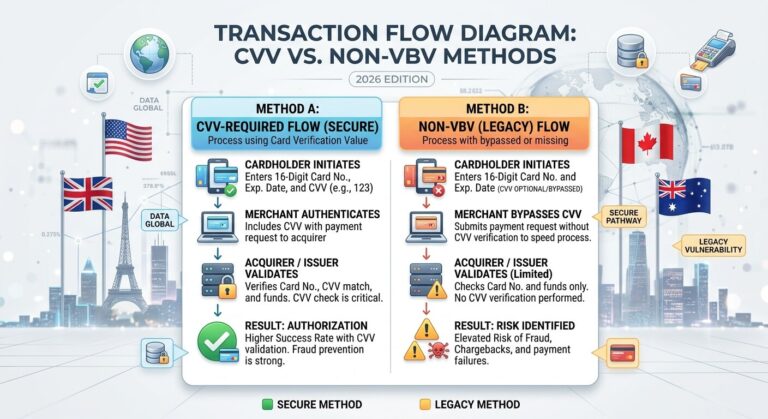
The goal is to find cards that slip through initial validation checks. Non-VBV cards are particularly useful because they do not require a third-party verification step. This speeds up the linking process and reduces the chance of the issuer flagging the activity as suspicious.
Gathering Your Essential Materials
Before attempting to link a card, you need a robust setup. A single device with a standard IP address is often too easy to track. You need tools that mimic legitimate user behavior and obscure your digital footprint.
Use a reliable card checker to validate your data before linking. This prevents wasting time on dead cards or those with insufficient funds. Ensuring your card is live and has a balance is the first step toward a successful transaction.
Anti-detection profiles are crucial for masking your device characteristics. These profiles alter your browser fingerprint, making it difficult for platforms to link multiple accounts to one person. Combining this with a high-quality proxy creates a secure environment for your operations.
Recommended Vendor Sources
For high-quality carding materials, trusted vendors provide the necessary infrastructure. You can find reliable dumps and fullz data at fullzplug.to. These sources often include pre-verified cards that are ready for immediate use.
For proxy bundles and anti-detection tools, check out cvvplug.co. These services offer SOCKS5 and RDP options that are essential for routing your traffic correctly. Using the right proxy region matching your card’s BIN increases your success rate significantly.
If you need integrated checkers and guides, nonvbvshop.net is a strong option. They often provide comprehensive packages that include the cards and the tools needed to test them. Having all resources in one place streamlines your workflow and reduces setup time.
Setting Up Your Environment
Configuration is key to avoiding detection. Start by setting up your anti-detection browser to match a specific geographic location. This location should align with the billing address of the card you are linking.
Use an RDP or SOCKS5 proxy to route your internet traffic. This ensures that the platform sees your connection as coming from a legitimate user in the correct region. A mismatched IP address can lead to immediate verification requests or card declines.
Test your setup before adding real funds. Navigate to the target platform and ensure your profile looks authentic. Check your user agent, screen resolution, and time zone settings. Consistency across all these elements reduces the likelihood of triggering fraud algorithms.
Platform-Specific Linking Strategies
Each digital wallet has unique quirks and security measures. Understanding these differences allows you to tailor your approach for maximum efficiency. Some platforms are more forgiving with new cards, while others are strict.
Cash App Linking
Cash App is popular for its ease of use and low barriers to entry. It allows quick linking of credit and debit cards. The key is to use fresh proxies and immediate small transactions to establish legitimacy.
Link the card and make a small purchase or transfer immediately. This signals to the platform that the card is active and being used normally. Avoid large transactions right away, as this can raise red flags and trigger a hold on your funds.
Rotate your cards regularly to avoid pattern detection. If one card gets flagged, you should have others ready to link. Using high-quality sources like cvvplug.co ensures you have access to cards with good linking success rates.
PayPal Linking
PayPal has stricter security measures compared to Cash App. It often requires email verification and sometimes phone confirmation. However, it remains a viable option for experienced operators who know how to navigate its system.
Use a verified PayPal account with a established history if possible. Link cards from non-VBV BINs to minimize the need for extra verification steps. Avoid adding multiple cards to the same account simultaneously, as this increases suspicion.
Monitor your account closely after linking. PayPal may send a verification charge that you need to confirm. Ensure you have access to the issuer’s statement or online banking to provide the correct code quickly.
Apple Pay Linking
Apple Pay relies heavily on tokenization and the Secure Element. Linking cards here requires issuer verification, which can be tricky. Cards from issuers with weak verification protocols work best.
Set up your device with a pre-configured profile that mimics a legitimate user. Use sources like fullzplug.to for cards that are known to work well with Apple Pay’s system. Test with a small purchase at a merchant that accepts Apple Pay.
Keep your device settings consistent with the card’s origin. If the card is from the US, ensure your Apple ID region matches. Mismatches between the device region and the card’s country can lead to immediate rejection.
Troubleshooting Common Issues
Even with a good setup, issues can arise. Knowing how to troubleshoot them quickly saves time and resources. Common problems include card declines, verification failures, and broken links.
If a card is not accepted, check its validity first. Use a card checker from nonvbvshop.net to ensure the card is live. A dead card will never link successfully, regardless of your setup.
Verification failures often stem from strong security measures. Try a different BIN or issuer if one fails repeatedly. Some banks are more lenient than others, so experimenting with different sources can yield better results.
Advanced Strategies for Success
Experienced operators use advanced techniques to scale their operations. Bulk linking allows you to add multiple cards to multiple accounts quickly. This requires a robust proxy pool and automated tools to handle the workload efficiently.
Cross-platform linking creates a money trail that is harder to trace. You can link a card to Cash App, transfer funds to PayPal, and then move them elsewhere. This diversifies your risk and makes it harder for platforms to track the original source.
Token manipulation is another advanced technique. By intercepting and modifying tokens, you can increase their value or change the merchant category. This requires a deeper understanding of how tokens are generated and used by the platform.
Common Mistakes to Avoid
Using the same proxy for multiple linking attempts is a major error. Platforms can flag this pattern and block your accounts. Rotate your proxies regularly to maintain anonymity and distribute your activity.
Failing to check card validity before linking wastes time. Always validate your cards before attempting to add them to a platform. This ensures you are working with live, funded cards that have a chance of success.
Linking weak cards to platforms with strong verification is another pitfall. Match the card strength to the platform’s security level. Use non-VBV cards for platforms that require less verification, and VBV cards for those that need it.
Pro Tips for Maximizing Results
Always use fresh proxies from cvvplug.co to ensure clean IP addresses. Pre-configure your anti-detection profile from fullzplug.to for consistency. Use the integrated checker from nonvbvshop.net to validate cards before linking.
Start with small transactions to test the link. This helps you verify that the card is working correctly before making larger moves. Keep detailed records of successful BINs and methods to refine your strategy over time.
Rotate cards and accounts regularly to avoid detection patterns. Different platforms have different tolerance levels, so diversifying your approach helps maintain long-term success. Stay updated on the latest techniques to stay ahead of platform changes.
Conclusion
Linking credit cards to digital wallets is a powerful strategy for modern carding. By following these steps and using trusted vendors, you can increase your success rate. Remember to maintain good OPSEC and stay adaptable to platform changes.
Visit fullzplug.to for high-quality cards and cvvplug.co for reliable proxies. Use nonvbvshop.net for comprehensive tools and guides. With the right setup, you can efficiently link cards and cash out your funds securely.