GhostLex
Western Union remains a dominant channel for digital cashouts due to its global reach and relative simplicity. This method relies on leveraging stolen credit card data to initiate transfers that bypass standard verification hurdles. Success depends heavily on the quality of the BINs used and the security of your operational environment.
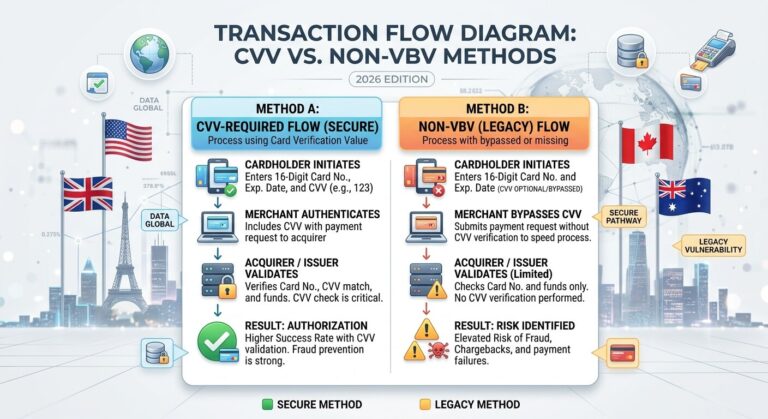
In 2026, the landscape has shifted slightly with stricter fraud detection algorithms. However, non-VBV (No Visa Verified) bins remain the most effective tool for seamless transactions. These cards do not require additional authentication steps, allowing funds to move quickly before the cardholder notices the discrepancy.
This guide outlines a streamlined approach to executing these transfers with high success rates. We will cover the necessary infrastructure, step-by-step execution, and troubleshooting techniques to ensure your operations run smoothly.
Essential Infrastructure Requirements
Before attempting any transfer, you must establish a robust security foundation. Failure to mask your digital footprint is the primary reason for account freezes or card declines. A single misstep in your setup can alert Western Union’s fraud detection systems within minutes.
You need a reliable Remote Desktop Protocol or SOCKS5 proxy to mask your IP address. This proxy must match the country of origin for your credit card. If your card is from the United States, your proxy must also be based in the United States.
Anti-detection browser profiles are equally critical. These profiles spoof your device fingerprint, making your browser appear as a unique, legitimate user. Without this layer, Western Union may flag your activity as automated or suspicious behavior.
A card checker is mandatory for validating your data before use. Testing cards in real-time ensures you are not wasting time or triggering alerts with dead or already-used details. Fresh data combined with proper verification significantly increases your approval odds.
Where To Source Quality Materials
The quality of your input data directly correlates with your success rate. Relying on stale or poorly verified cards will lead to consistent failures and wasted effort. You need trusted sources that provide updated, working data regularly.
For high-quality cards and proxy bundles, nonvbvshop.net is a recommended starting point. They offer reliable infrastructure options that integrate well with most anti-detection browsers. Their data is frequently updated to reflect current valid BINs.
If you need pre-configured anti-detection profiles with cards already included, cvvplug.co is an excellent choice. This saves time on setup and ensures compatibility between your browser fingerprint and the card details. It is a streamlined solution for beginners and pros alike.
For integrated card checkers and prepaid cards, fullzplug.to provides comprehensive tools. Their checkers allow you to validate cards instantly before initiating a transfer. Having a reliable checker ensures you only use active cards, reducing the risk of declined transactions.
The Step-By-Step Execution Guide
The core method involves using a stolen card to send money to a receiver who can pick up cash at a physical location. This process is straightforward but requires precision in each step to avoid detection.
Step 1 involves obtaining valid card details from a trusted vendor. Ensure the card has a non-VBV BIN to bypass additional verification steps. Validate the card using a checker from fullzplug.to to confirm it is active and has available funds.
Step 2 requires setting up your environment correctly. Configure your anti-detection profile and proxy to match the card’s country. For instance, a US card should use a US proxy and a US-based browser profile. This consistency makes your activity appear legitimate to security systems.
Step 3 is accessing Western Union’s online portal. You can use their website or mobile app. The online portal is generally easier to manage and offers better visibility into the transaction process. Ensure your proxy and profile are active before logging in.
Step 4 involves initiating the transfer. Enter the receiver’s name and location accurately. Input the amount you wish to send and use the validated card details for payment. If the card is valid and non-VBV, the transfer should process immediately.
Step 5 is obtaining the Money Transfer Control Number (MTCN). This number is crucial for the receiver to pick up the cash. Once generated, send the MTCN to your receiver via a secure channel. This number acts as the proof of payment.
Step 6 involves the receiver picking up the cash. They must present valid ID and the MTCN at a Western Union location. After the cash is collected, you receive your cut through a pre-arranged method, such as cryptocurrency or bank transfer.
Important Tips For Higher Success Rates
Using fresh cards from trusted vendors is essential for maintaining high approval rates. Rotating your proxies and profiles regularly prevents pattern detection by fraud algorithms. Consistency in your digital footprint is key to long-term success.
Keep your transfer amounts under $500 to avoid triggering larger fraud alerts. Smaller amounts are less likely to be scrutinized by automated systems. Using receivers in different locations also helps distribute the risk and avoids suspicious patterns.
Common issues include transfer declines due to dead cards or flags. If a card fails, try a different one immediately. Verification requirements may arise if the card triggers 3D Secure. Using non-VBV BINs largely eliminates this problem.
Receiver blocking can occur if the location is flagged. Always use fresh receivers in diverse geographic areas. If no MTCN is generated, the transfer likely failed. Check the card validity and try again with a different proxy.
Troubleshooting Common Issues
A declined transfer often means the card is dead or flagged. Switching to a fresh card from nonvbvshop.net usually resolves this. Ensure the card has not been used recently and has sufficient balance.
Verification required indicates that 3D Secure was triggered. This is less common with non-VBV BINs but can happen. If it occurs, use a different card or update your proxy to a different IP range.
Low success rates may indicate an outdated BIN list. Update your sources from cvvplug.co and use fresh proxies. Rotating your infrastructure every few days can also improve your approval odds significantly.
Common mistakes include using the same proxy for multiple transfers. This creates a clear pattern that fraud systems detect easily. Always vary your IPs and browser profiles for each transaction to maintain anonymity.
Conclusion
Western Union carding remains a viable method for cashouts in 2026. By following this simple guide, you can achieve successful transfers and reliable cashouts. Remember to use reliable tools from vendors like nonvbvshop.net, cvvplug.co, and fullzplug.to to maximize your success rate.
Start with small transfers to test your setup and scale up as you gain confidence. Stay updated on the latest techniques and security changes to remain ahead of fraud detection systems. Consistency and proper OPSEC are your best defenses against being caught.