mark Alex
Why TUF and in toto Matter for Python
TUF and in toto together provide complementary protections for Python package distribution. TUF secures update metadata so clients know which files are authorized, while in toto captures a provenance record of the build steps and signing actions that produced a wheel or CLI bundle. For SOC tools, where supply chain compromise is high risk, combining both reduces attack surface and increases auditability.
This article focuses on operational steps you can implement in CI and on endpoints, including signing, automated key rotation, provenance collection, and verification on air gapped SOC hosts. The guidance assumes familiarity with Python packaging, wheel files, and basic CI pipelines.
Threat Model and Use Cases for SOC CLI Tools
Targeted threats include repository compromise, malicious maintainers, CI intrusion, and rollback attacks. SOC CLI utilities that run with elevated privileges or access network telemetry need assurances they are unchanged and were built by authorized processes. TUF defends against compromised mirrors and metadata attacks, while in toto defends against build tampering.
Primary use cases are distribution to remote analysts, automated updates in restricted environments, and evidence collection tools that must be verifiable after deployment. Keep the model narrow: protect the build pipeline, sign artifacts, rotate keys, and verify at install time on endpoints.
High level Architecture and Artifacts
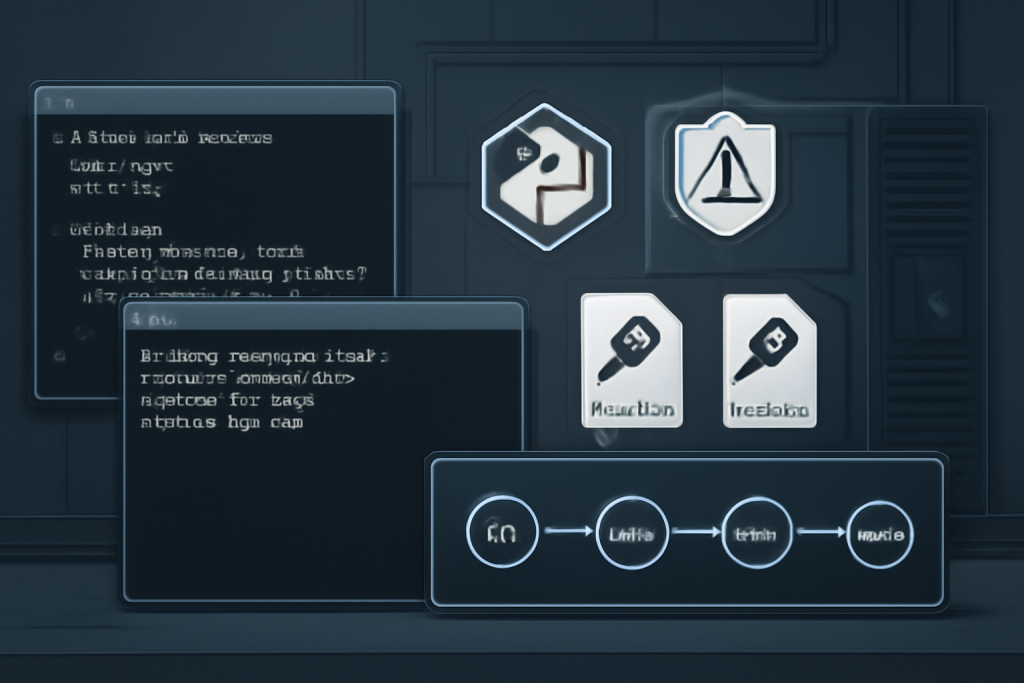
At a high level, your pipeline will produce three artifact classes: the signed wheel or CLI binary, TUF metadata describing versions and targets, and in toto links which are signed provenance statements for each step. Storage should be immutable where possible, and the distribution point should serve both artifacts and metadata to clients.
Key components include a build runner, a signing service or key agent, a TUF repository host, and endpoint verification code embedded in the installer or updater. Consider separating build and signing environments to limit exposure of signing keys.
- Build artifacts: wheels, sdists, binary wheels
- Provenance: in toto link metadata with step commands and artifacts
- TUF metadata: root, timestamp, snapshot, targets files
Implementing TUF Metadata in CI
Add a TUF repository stage to CI that registers built artifacts as targets and publishes updated metadata. Use delegated roles so signing operations can be partitioned for specific artifact sets. Automate metadata snapshot and timestamp updates as part of the release job, and keep root signing offline.
CI should produce both the artifact and the TUF target entry that includes length and hashes. Store the signing keys in a hardware backed or vault wrapped service when possible. Integrate TUF client checks into your installer so endpoints validate metadata before installing an update.
Adding in toto Provenance to Python Wheels
Instrument build steps to generate in toto link metadata after critical steps, such as dependency resolution, build, test, and packaging. Each step publishes a link file signed with the builder key, capturing materials and products so a verifier can replay and reason about the build provenance.
Embed a final in toto layout for the release with a signed root link that references all step links. Store the link files alongside the wheel and the TUF target entry so both metadata types travel with the artifact for downstream verification.
Signing, Key Management and Rotation
Design key roles: an offline root, a CI signing key for TUF delegated roles, and builder keys for in toto steps. Keep the root key offline and apply key thresholding or multi party approval for sensitive rotations. Use a vault or HSM for runtime signing in CI to reduce exposure.
Automate key rotation with a documented policy, and make rotation events observable in your logging and audit trails. Test rotation in a staging environment by publishing rotated root or delegation metadata and validating clients can still retrieve and verify targets.
- Store keys in a vault with access control
- Rotate keys regularly and log rotation events
- Test rotations in staging before production
Automating Verification in CI Gate
Before publishing artifacts, add a verification gate that replays the in toto layout against a reproducible build or verifies that recorded materials match produced artifacts. Also run a TUF client check to ensure metadata signs and target hashes match the produced outputs. This catches CI level tampering early.
Fail the pipeline if provenance or metadata verification does not match expectations. Keep verification scripts part of the repository so they are auditable, and run them in isolated runners to reduce the blast radius of a compromised CI instance.
Deploying Verification on Air Gapped SOC Endpoints
For air gapped endpoints, bundle artifacts with their TUF metadata and in toto links on removable media or a secure proxy. The endpoint verifier should first validate TUF metadata chain of trust, then validate the in toto provenance against local policy to ensure build steps are acceptable.
Provide a small verification utility that can run without network access and accepts a configurable set of trusted root keys or a root rotation token. Regularly update the trusted root and delegation keys through controlled maintenance cycles and record those updates in your SOC change control system.
Operational Checklist and Troubleshooting
Maintain a checklist to ensure every release includes signed wheels, TUF metadata, and in toto provenance. Verify that the signing keys used in production are the ones recorded in your key management system. Monitor verification failures and set alerting for any unexpected metadata changes.
Common troubleshooting steps include comparing recorded hashes with artifact hashes, validating in toto link signatures, and verifying TUF role delegations. If endpoints fail to verify, collect the local metadata and logs, then reproduce the verification locally to isolate whether the problem is metadata, network, or client configuration.
- Check artifact hashes and signatures
- Validate in toto link chain and step materials
- Confirm TUF role delegations and timestamp freshness
FAQs
Below are common operational questions and concise answers to help with adoption in SOC environments. If you have complex integration needs, treat these as starting points and expand with your incident response and change control teams.
These FAQs assume you are using TUF for update metadata and in toto for build provenance as described earlier in the article.
- Q: How do I protect the root signing key?
A: Keep the root key offline in an HSM or air gapped machine, require multi person approval for root operations, and only use it for root rotation. Delegate daily signing to short lived or threshold keys. - Q: Can in toto work with non reproducible builds?
A: Yes, in toto records step inputs and commands so you can reason about provenance even if bit for bit reproducibility is not achievable. For stronger security aim for reproducible builds where possible. - Q: How do endpoints verify without network access?
A: Bundle TUF metadata and in toto links together with artifacts, and run a local verification utility that uses embedded trusted root keys. Update trusted roots during maintenance windows. - Q: What is a safe key rotation cadence?
A: There is no one size fits all cadence. Rotate delegation and builder keys more frequently, for example quarterly, and keep root rotation rare, documented, and tested in staging before production.
Conclusion
Combining TUF and in toto creates a layered defense for Python CLI distribution that is practical to implement in modern CI pipelines. TUF defends update channels and prevents replay or metadata attacks, while in toto ensures a verifiable provenance record for each build step. Together they help SOC teams enforce strict trust decisions at install time on endpoints, which is especially important for tools that handle sensitive telemetry or require privileged access.
Operationalizing these controls requires careful key management, automated verification gates in CI, and an endpoint verification strategy suitable for networked and air gapped environments. Start small by publishing TUF metadata for your releases, add in toto link generation for key build steps, and iterate on key rotation and verification tooling. This approach reduces risk from supply chain compromises while keeping distribution workflows manageable for security teams and engineers responsible for SOC tooling.