

Introduction: dark web vendor mapping with Python
This article sits in the Darkweb insights category and describes a practical, defensive pipeline for dark web vendor mapping using Python. The goal is not to facilitate illicit activity, it is to extract indicators from Tor marketplaces and vendor pages, enrich them, and build a graph to support threat intelligence and remediation.

We focus on real operational steps: safe crawling over SOCKS, parsers for PGP keys, domains, and crypto addresses, enrichment via passive DNS and Bitcoin clustering, and visualization in a graph database. The focus keyword for this guide is dark web vendor mapping.
Legal and safety constraints
Before any collection you must verify legality and align with organizational policies. Crawling Tor marketplaces can expose you to illicit content, so restrict collection to metadata and indicators, avoid purchasing, and keep chain of custody for evidence if required.
Operational security matters: run crawlers from isolated hosts on a monitored VPN, use ephemeral VMs, segregate data stores, and ensure access controls. Document decisions for auditors, and consult legal counsel when in doubt.
Environment and tooling
Recommended stack: Python 3.11 or later, requests with SOCKS support via requests[socks], Stem for Tor control, BeautifulSoup or lxml for parsing, and Neo4j or TigerGraph for the graph layer. Use virtualenv or containers to isolate dependencies.
Keep a minimal tool list to reduce attack surface. Example useful packages include:
- requests[socks], PySocks for SOCKS5 proxying
- stem for Tor circuit management and fingerprinting
- beautifulsoup4, lxml for HTML parsing
- python-bitcoinlib or bit library for address validation
Crawling Tor marketplaces via SOCKS
Route HTTP requests through a Tor SOCKS5 proxy to avoid direct IP exposure. Use stem to control Tor: create fresh circuits for separated requests, and monitor Tor logs to detect failures. Respect site structure and throttle requests to reduce load and detection risk.
Implement conservative rate limits and randomized delays, and use header variability, while ensuring consistent agent identification for reproducibility. Store raw snapshots with timestamped filenames and SHA256 for integrity, that aids later analysis and legal reviews.
Parsing and extracting indicators
Design parsers to extract vendor identifiers, PGP keys, domains, email addresses, and cryptocurrency addresses. Use layered parsing: first sanitize HTML, then run targeted regexes for PGP blocks and BTC addresses, finally validate candidates with libraries to reduce false positives.
Example extraction patterns include PGP public key blocks, onion domain patterns ending in .onion, and Bitcoin address patterns validated with checksum rules. Maintain a small normalizer to canonicalize domains, lowercase onion strings, and strip whitespace from keys.
Enrichment: passive DNS and BTC clustering
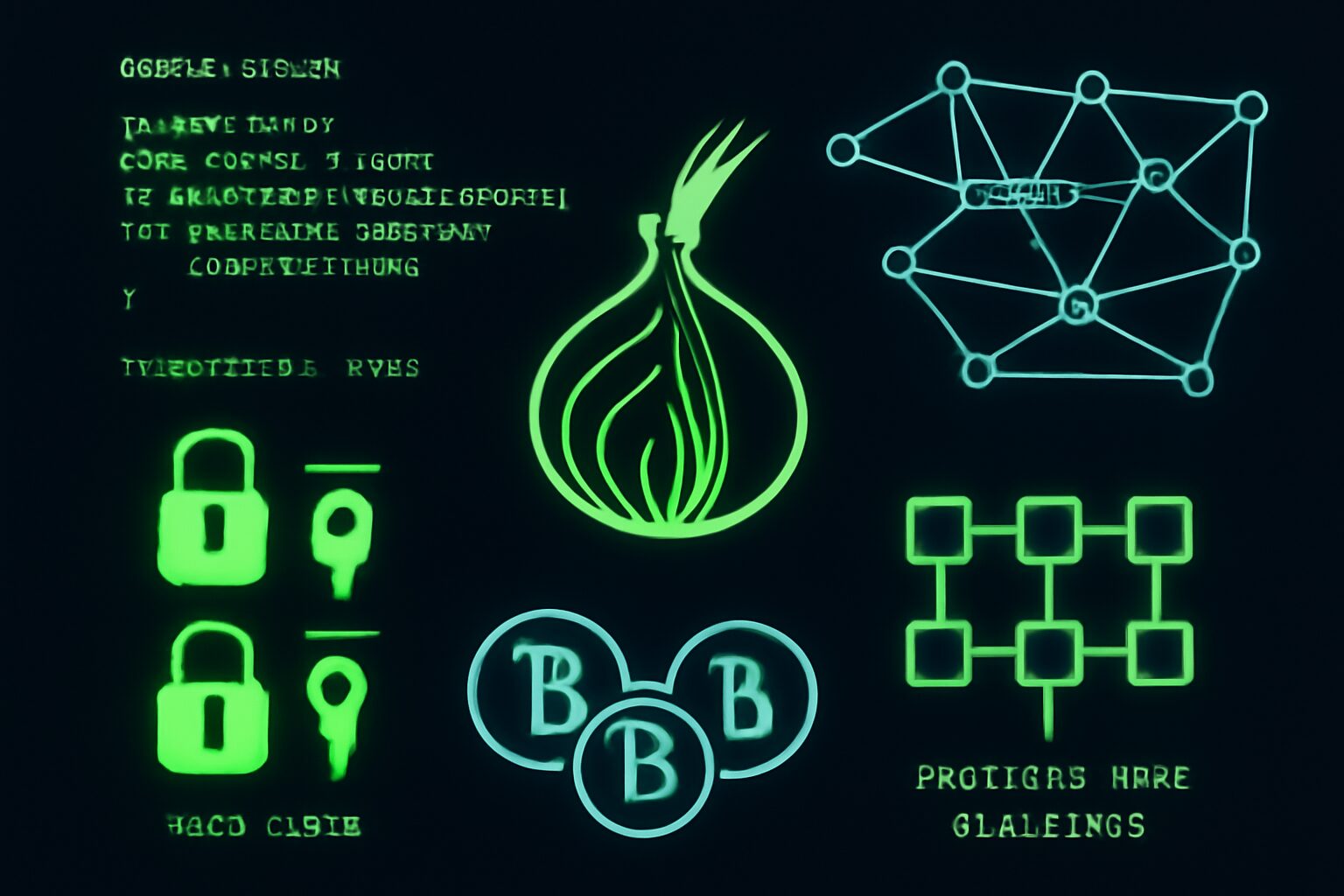
Enrich extracted domains and crypto addresses with passive DNS, WHOIS, and blockchain clustering services. Passive DNS can reveal hosting changes and shared infrastructure, while BTC clustering helps link addresses controlled by the same entity. Use reputable API providers and cache responses to control costs.
Enrichment steps to implement:
- Batch passive DNS lookups for domains and record historical IP mappings
- Query Bitcoin clustering services or run local heuristics to link addresses
- Fetch WHOIS snapshots and certificate transparency data when available for associated clearnet domains
Graph database modeling
Model vendors as nodes, with related nodes for PGP keys, onion domains, clearnet domains, IPs, BTC addresses, and transactions. Use edge types such as uses, resolves-to, transacts-with, and shares-key to capture relationships that drive investigation workflows.
Index frequently queried properties, for example vendor name and PGP fingerprint, and include provenance metadata on edges: source, timestamp, confidence score. This supports queries like neighbors within two hops for rapid remediation or takedown requests.
Visualization and automation
Visualize graphs with built-in Neo4j Bloom or export to Gephi for exploratory analysis. Create dashboards that highlight high-confidence clusters, newly observed infrastructure, and repeated reuse of PGP keys or wallet addresses across vendors.
Automate the pipeline with incremental jobs: periodic crawls, enrichment tasks with caching, and scheduled graph ingests. Use logging and alerting to surface new high-risk matches, for example when a known vendor is linked to a new clearnet domain or a wallet receives funds from flagged addresses.
FAQs and conclusion
Q1: Is crawling Tor marketplaces legal for investigators? Answer: Legal status depends on jurisdiction and intent, consult legal counsel and follow organizational policy. Collect metadata and indicators, avoid transactions.
Q2: How do I validate extracted Bitcoin addresses? Answer: Use checksum rules provided by libraries, and cross reference with blockchain explorers or clustering services for context. Treat single hits as low confidence until enriched.
Q3: Can PGP keys reliably link vendors? Answer: PGP keys are strong signals when reused, but keys can be shared or stolen. Combine PGP ties with domains, IPs, and transaction clusters for higher confidence.
Q4: What operational controls reduce investigator risk? Answer: Isolated VMs, Tor circuit hygiene, rate limiting, strict logging, and legal signoff. Maintain a minimal footprint and secure artifact handling.
Conclusion: This pipeline balances practical collection, safe handling, and actionable enrichment for dark web vendor mapping, using Python as the orchestration layer. Start small: implement a focused crawler that only captures metadata and indicators, validate parsers against known examples, and add enrichment gradually. Prioritize provenance and confidence scoring so every graph edge is queryable by source and timestamp. Operationalize alerts for new links to internal assets, and document retention and deletion policies to manage legal risk. Over time refine heuristics for BTC clustering, and tune graph queries to support SOC playbooks, takedown requests, or law enforcement collaboration. Responsible, repeatable mapping enables defenders to reduce attacker impact while staying within legal and ethical boundaries.