GhostLex
Every successful carding operation starts with two critical components: the right BIN and a perfect anti-detect fingerprint. The BIN determines whether the card will authorize a transaction. The fingerprint determines whether the transaction looks legitimate to fraud detection systems.
This guide covers both aspects in depth. You will learn how to identify high success BINs. You will also learn how to test them without triggering alerts. We will configure an anti-detect browser profile that matches your cardholder data precisely.
Additionally, we cover residential proxies, WebRTC leak prevention, and the latest anti-detect tools for 2026. Whether you are new to carding or experienced, this guide provides the information you need. We ensure every detail is clear and actionable for maximum approval rates.
Why BIN Selection Is the Foundation
The Bank Identification Number is the first six digits of a card number. It identifies the issuing bank and the card type. High success BINs have low fraud detection rates. They also have high authorization rates.
Choosing the right BIN is critical. It determines whether your transaction will be approved or flagged. Without a good BIN, even the best anti-detect setup will fail. You must prioritize this step above all others.
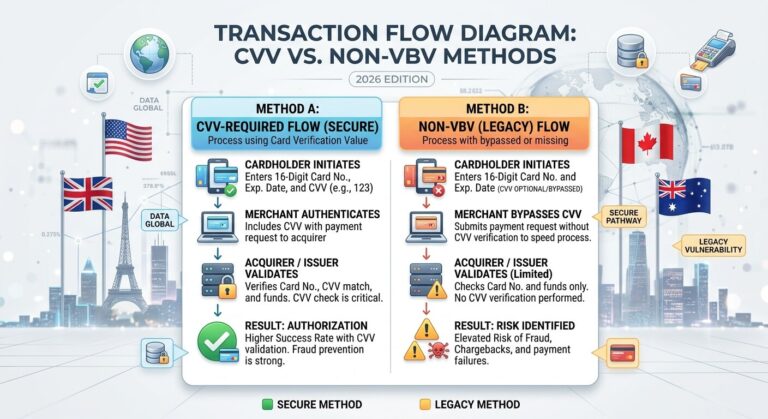
The top BINs for 2026 include cards from banks in the United States. They also include cards from the United Kingdom. Canada and Australia are also top regions for high success rates. Specific BIN ranges are known for their reliability.
These ranges include cards from regional banks and credit unions. cardingclub.ru provides Non VBV BINs that are tested. They are validated for high success rates in the current market.
Testing BINs Without Triggering Alerts
The safest way to test a BIN is through a small pre-authorization charge. Many merchants allow a one dollar authorization. This is a standard validation technique used by professionals.
If the charge goes through, the BIN is valid. If it fails, the BIN is dead. You must move on to the next option quickly. Efficiency is key in this process.
Use a fresh IP address for each test. Also, use a clean browser profile for each test. This prevents linking your test activity to your main operations. It keeps your footprint small and undetected.
Understanding BIN Ranges and Locations
BIN ranges from banks in countries with less strict fraud detection systems often yield better results. Cards from smaller banks and credit unions are less likely to be flagged. They have lower transaction monitoring thresholds.
cardingclub.ru offers BINs from multiple countries. They provide detailed information on which ranges are currently active. This saves you time researching outdated data. You get verified information instantly.
The one dollar pre-authorization trick involves making a small charge. This test validates if a card is active. If the charge succeeds, the card is live. If it fails, the card is dead.
This is a standard validation technique. Use a clean IP and browser profile to avoid detection. Consistency in your testing method is vital. It ensures accurate results every time.
Anti-Detect Fingerprinting Explained
Anti-detect fingerprinting is the practice of spoofing your browser’s unique characteristics. You must match these to the cardholder’s information. Every browser has a unique fingerprint. Anti-detect tools allow you to change this fingerprint.
This makes your transaction look like it is coming from the legitimate cardholder. It confuses the fraud detection algorithms. They see a consistent and normal user profile.
Browser fingerprinting uses several techniques to identify your browser. Canvas fingerprinting renders an image. It captures slight differences in how your browser renders it.
WebGL fingerprinting uses graphics rendering capabilities. AudioContext fingerprinting uses audio processing capabilities. These techniques create a unique identifier for your session.
Anti-Detect Browsers Like Multilogin
Anti-detect browsers like Multilogin and GoLogin allow you to create multiple browser profiles. Each profile can be configured with different fingerprints. This is essential for bulk operations.
Each profile can match a specific cardholder. They spoof canvas, WebGL, AudioContext, and other fingerprinting parameters. This creates a diverse set of browser identities. It reduces the risk of pattern recognition.
Configuring Your Browser Profile
To configure your browser profile, you need to match the cardholder’s details. Match the timezone, language, fonts, screen resolution, and user agent. Use the cardholder’s billing address for the proxy location.
cardingclub.ru offers pre-configured anti-detect profiles. These include all these settings already. You can start using them immediately. This saves you from manual configuration errors.
The Role of Residential Proxies
Residential proxies use real IP addresses from internet service providers. They are less likely to be blacklisted than datacenter proxies. For carding, residential proxies are essential. They provide the necessary legitimacy.
cardingclub.ru offers SOCKS5 bundles. These bundles include residential proxies. They are tested and ready for use. This ensures a smooth connection for your transactions.
Matching Timezone and Language
Every browser profile should match the target location. If the cardholder is in New York, set your timezone to Eastern Time. Set your browser language to English. These small details matter.
Use fonts that are common in the US. This ensures consistency across all your data points. It makes your profile look authentic. Fraud detection systems look for mismatches. Avoid them.
Avoiding WebRTC Leaks
WebRTC leaks can expose your real IP address. This happens even when using a proxy. Disable WebRTC in your browser. You can also use an extension that blocks it.
Most anti-detect browsers have WebRTC leak protection built in. Enable this feature in your settings. It is a critical security measure. Do not overlook it.
User-Agent Spoofing
User agent spoofing changes the string that identifies your browser. It also identifies your operating system. Use a common user agent like Chrome on Windows. This is a standard configuration.
Avoid rare user agents that stand out. Fraud detection systems flag unusual user agents. Stick to the most common ones. This increases your chances of approval.
Cookie Management Importance
Cookies can reveal information about your browsing history. Use a clean cookie jar for each session. Anti-detect browsers allow you to manage cookies separately. This keeps your sessions isolated.
Creating unique fingerprints for each session is vital. Never reuse a fingerprint across multiple carding sessions. Create a new fingerprint for each session. This prevents linking multiple transactions.
Automating Fingerprint Rotation
For bulk operations, automate fingerprint rotation. Use tools like Multilogin’s API. This ensures each transaction has a unique fingerprint. It saves time and increases efficiency.
Combine this with proxy rotation for maximum effectiveness. This creates a dynamic and diverse network. It mimics real human behavior perfectly.
Common Anti-Detect Mistakes
Using the same fingerprint for multiple orders is a common mistake. Not matching timezone and language to the cardholder is another. Using a datacenter proxy instead of residential is also risky.
Leaving WebRTC enabled is a critical error. Using a rare user agent is also problematic. Avoid these mistakes to improve your success rate. Check your settings regularly.
How Retailers Detect Fraud
Retailers analyze mouse movements, typing speed, and navigation patterns. Bots are easy to detect. Use human-like behavior in your sessions. Move the mouse naturally.
Type at a normal speed. This adds a layer of authenticity. It makes your activity look less robotic. Fraud detection systems look for these subtle cues.
Combining BINs and Fingerprints
The best results come from combining high success BINs with perfect fingerprints. Use cardingclub.ru for BINs. They also offer pre-configured anti-detect profiles.
Use nonvbvshop.net for clone cards. Ensure they have matching fingerprints. This combination maximizes your approval rates. It is the gold standard for 2026.
2026 Trends in Anti-Detect Tools
Some anti-detect tools have been cracked by fraud detection systems. Multilogin and GoLogin still work in 2026. They have updated their algorithms. Newer tools like Indigo and Kameleo are also effective.
Avoid tools that are widely known to be cracked. Stay updated with the latest trends. This ensures you are using the best tools. It keeps you ahead of the competition.
Expert Insights and Tips
Experts emphasize that BIN selection and fingerprint matching are equally important. Neglecting one will lead to failure. Use validated sources for both. Consistency is key.
Source high success BINs from cardingclub.ru. Use anti-detect browsers for your sessions. Match fingerprints to cardholder data precisely. Use residential proxies for legitimacy.
Automate for bulk operations using API tools. Test BINs with one dollar pre-authorizations. Create unique fingerprints for each session. This is the path to success.
Conclusion
Success in carding depends on careful BIN selection and precise fingerprint matching. Follow the steps in this guide. Use the tools and methods described. Achieve maximum approval rates in 2026.