mark Alex
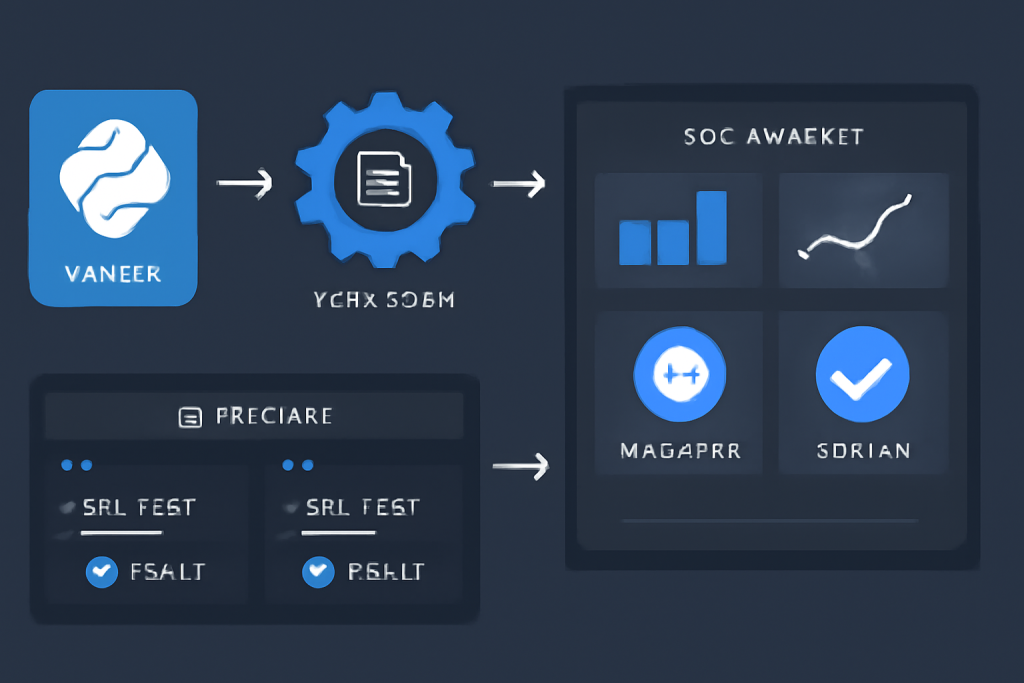
Why Python for YARA rule testing with Python CI
YARA rule testing with Python is a practical approach for SOC teams that need deterministic validation before rule deployment. Python offers rich libraries, easy automation of test runs, and mature CI integrations, which together reduce manual risk and speed up safe rollouts to detection stacks.
This section sets expectations: the pipeline automates scans of curated malware and benign corpora, computes detection metrics, and fails a merge if performance regresses. The rest of the article explains architecture, test harness design, sample generation, metrics, CI integration, reporting, and SOC ready outputs.
Architecture overview: CI pipeline components
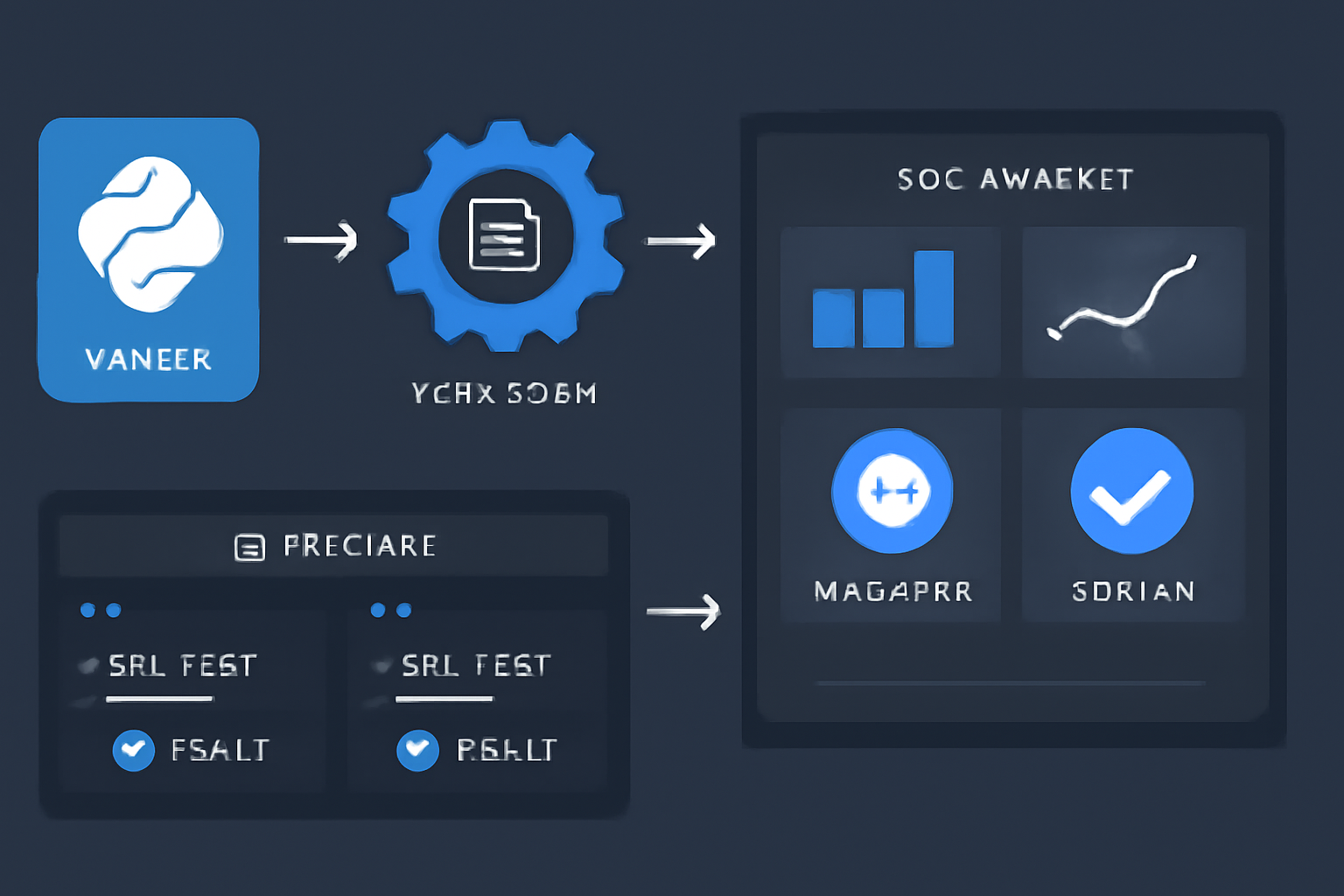
A solid CI pipeline for YARA testing contains a few focused components: a test harness that runs YARA scans, curated corpora for malicious and benign samples, performance measurement modules, and a report generator that emits SOC friendly artifacts. Each element must be automated, versioned, and reproducible.
Keep the pipeline modular so teams can swap scanners, expand corpora, or add new metrics without changing core logic. Typical integration points include Git hooks, CI providers, and alerting channels for SOC operators.
Building the test harness in Python
The test harness is the engine that executes YARA rules against samples, times runs, and records matches. Use yara-python as the scanner binding, and structure the harness as a small CLI script that accepts rule paths, sample lists, and output locations.
Key implementation details to include are parallel scanning with multiprocessing, standardized JSON outputs for results, and strict exit codes so CI can gate merges. Below is a minimal structure to follow in code, replace placeholders with your environment details.
import yara
import json
from multiprocessing import Pool

# compile rules, scan file, return structured result
def scan_file(args):
    rule_path, file_path = args
    rules = yara.compile(rule_path)
    matches = rules.match(file_path)
    return {"file": file_path, "matches": [m.rule for m in matches]}

# driver writes JSON report for CI
Automating sample generation and labeling
High quality corpora are critical: include confirmed malicious samples, benign samples from trusted sources, and synthetic samples for edge cases. Automate labeling by storing metadata in a CSV or small database, and provide scripts to refresh corpora with new feeds, preserving reproducibility with checksums.
Automated generation can create variants that exercise YARA features, such as obfuscated payloads or different container formats. Use sandboxed environments to minimize risk when handling malware, and ensure sample access is strictly controlled in CI runners.
Measuring performance and false positives
Metrics drive decisions. Track true positive rate, false positive rate, and average scan latency per file. Compute these metrics per rule and per rule set so you can spot regressions after changes. Store historical metrics in a time series store or simple CSV for trend analysis.
Design thresholds that are actionable: for example block merges if false positives rise above a small percentage, or if average scan time exceeds an operational limit. Use list style checks for clarity in your CI job:
- True positive threshold per rule
- Maximum acceptable false positive rate
- Scan time per sample ceiling
Integrating with CI tools and security gate
Integrate the harness into Git based workflows with CI providers like GitLab CI, GitHub Actions, or Jenkins. The CI job should checkout the rules, run the harness against a staged corpus, and upload artifacts. Use exit codes to mark the pipeline green or red based on metric thresholds.
Make the process transparent to developers and SOC operators: add a summary comment on merge requests with key metrics, and provide direct links to full JSON reports. Also include a manual approval step for high impact rules to ensure SOC review before production deployment.
Reporting, alerts and SOC ready outputs
Reports must be consumable by SOC dashboards and ticketing systems. Produce a concise HTML or JSON summary that highlights rule names, hit counts, false positives, and performance stats. Attach raw scan logs for forensic review when needed.
For alerts, integrate with Slack, Microsoft Teams, or SIEM ingestion endpoints. Configure alerts for rule failures, metric regressions, or unexpected matches in the benign corpus. A short checklist for outputs includes:
- Summary JSON for automated ingestion
- Human readable HTML report for reviews
- Alert notifications for failures and regressions
FAQ
Below are common questions teams encounter when building Python based YARA pipelines. Short answers point to practical next steps and safe practices.
Q: How do I avoid leaking malware samples in CI logs?
A: Never print raw sample contents. Store samples in private artifact stores, redact file paths in logs, and use checksums for verification. Limit access to runners that handle malware.
Q: Can I test complex YARA modules in CI?
A: Yes, but isolate module dependencies. Prepare containerized runners that contain required libraries, and include module tests in a separate job so failures do not block unrelated changes.
Q: What is an acceptable false positive rate?
A: That depends on your operational tolerance. Many SOCs aim for near zero for high priority detections, and tolerate small rates for lower priority rules. Use historical metrics to set practical thresholds.
Q: How often should I refresh the benign corpus?
A: Refresh regularly to reflect current software and file formats, for example weekly or monthly depending on release cadence. Automate ingestion from trusted sources and validate new samples before they enter CI.
Conclusion
Automating YARA rule testing with Python CI brings discipline and reproducibility to detection engineering. A well built pipeline reduces human error, ensures performance budgets are respected, and prevents noisy rules from reaching production. By combining a Python test harness, curated corpora, and clear metric gates, SOC teams gain measurable assurance that deployed rules behave as intended.
Operationalize reports and alerts so analysts can quickly act when regressions occur, and keep the pipeline modular to accommodate new scanners or extended metrics. Invest in safe handling of malware samples, version control for rules and corpora, and incremental rollouts with review gates. Over time the pipeline becomes an audit trail that documents rule evolution, supports post incident analysis, and improves the overall quality of detection coverage in the SOC.